Published 2026-06-13 · Last updated 2026-07-23 · Stage1b research reviewed 2026-06-25
Car roof magnet manufacturer & supplier RFQ tool
Run the RFQ screen first. This canonical page covers car roof magnet for sale, factory, manufacturer, company, China, pricelist, and exact car roof magnet supplier searches without publishing a misleading universal price table.
Run the RFQ screen first, then use the report layer to explain why one canonical page covers car roof magnet for sale, car roof magnet factory, car roof magnet manufacturer, car roof magnet company, car roof magnet china, car roof magnet supplier, car roof holding magnet supplier, and car roof holding magnet pricelist intent without publishing a misleading universal price table.
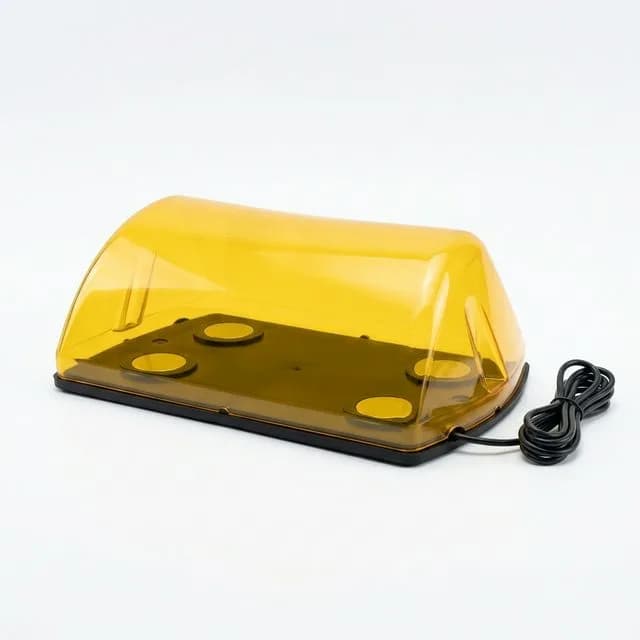
/manufacturers/car-roof-magnets. This page answers the car roof magnet supplier, holding-magnet pricelist, and for-sale wording directly instead of creating a separate near-duplicate route.Core conclusions before using a car roof holding magnet pricelist
The report layer summarizes what the tool means, where the source evidence is strong, and where public evidence is not enough for release.
Alias cluster stays canonical
`car roof magnet manufacturers`, `car roof magnet supplier`, `car roof magnet for sale`, `car roof magnet factory`, `car roof magnet company`, `car roof magnet china`, and pricelist searches are answered here instead of splitting into duplicate routes.
Pricelist needs quote context
Substrate, coating, quantity, validation scope, and assembly geometry decide whether a price list is usable.
Cargo securement criteria (49 CFR 393.102)
eCFR §393.102 breaking-strength criteria (verified 2026-06-18) require devices to withstand 0.8 g forward, 0.5 g rearward, 0.5 g lateral acceleration, plus a downward force equal to 20% of cargo weight for non-contained articles. Working-load-limit criteria are lower (0.435 / 0.5 / 0.25 g).
Paint cure, wax dwell, horizontal-roof rule
Master Magnetics care guide (verified 2026-06-18) for flexible magnetic sheeting specifies ~90 days paint cure on new or repainted vehicles, a 48-hour wax dwell before application, weekly removal and cleaning, removal before any car wash, and an explicit warning against horizontal placement on hood or roof because of plasticizer migration risk.
Manufacturer shortlist logic
Catalog, semi-custom, and full custom lanes are separated so buyers do not compare nominal pull force alone.
Tariff and air-freight limits
USTR/Federal Register notices list HTSUS 8505.11.00 metal permanent magnets at 25% in 2026. PHMSA and IATA dangerous-goods references make magnetic shielding evidence a carrier-acceptance gate, so bulk China roof-magnet orders usually need sea-freight planning.
Automotive QA vs commercial
Commercial ISO 9001 factories quote lower prices but lack PPAP/FMEA traceability. Critical exterior mounts (e.g. ADAS sensors, heavy lighting) require IATF 16949-certified automotive lines.
Chemical and coating compliance
Neodymium coatings (rubber, epoxy) must be verified free of hazardous substances (Pb, Cd, Cr6+) for legal import. A Certificate of Compliance (COC) is a mandatory RFQ gate.
Pre-plating before rubber
Low-cost factories skip inner plating and apply rubber directly on bare NdFeB. Rubber is moisture-permeable; without a Ni-Cu-Ni pre-layer, the magnet rusts internally, swells, and breaks the coating.
What a car roof holding magnet pricelist must include
Use this section when the searcher expects a price list. It shows which fields must be fixed before supplier prices are comparable.
| Price driver | Quote impact | RFQ proof to send | Pricelist boundary |
|---|---|---|---|
| Magnet and base geometry | Diameter, height, pot style, thread, countersink, rubber face, and contact footprint change tooling and unit economics. | Drawing, roof-contact footprint, magnet count, target holding direction. | A generic car roof holding magnet pricelist is not reliable if geometry is still open. |
| Coating and paint protection | Rubber thickness, adhesive, corrosion protection, edge finish, and marking requirements shift material and process cost. | Coating preference, paint sensitivity, cleaning process, sample acceptance criteria. | Bare pull-force pricing can understate paint-damage and wear risk. |
| Vehicle validation responsibility | Supplier quote changes when they must support real-roof contact checks, vibration review, wind-area screening, cargo-style acceleration cues, or redundant retention. | Roof photos, speed, frontal area, mass, route type, retention fallback, and pass/fail test owner. | Validation work is usually not visible in a commodity price list. |
| Quantity, packing, and sample stage | Prototype quantity, MOQ, cartons, labels, separators, and inspection steps drive the difference between sample price and production price. | Sample quantity, annual forecast, packing method, inspection level. | A price without quantity break and packing scope is not comparable. |
| Electronics or roof-light scope | Lighting, wiring, waterproofing, housing, color-use review, FMVSS 108 impairment review, and compliance boundaries move the job beyond a magnet-only quote. | Electrical load, housing drawing, waterproof target, legal-use context. | Do not treat roof-light assemblies as a simple holding magnet pricelist item. |
| Quality and compliance documentation | Providing PPAP (Production Part Approval Process), FMEA, and RoHS/REACH material declarations adds engineering overhead compared to standard commercial manufacturing. | ISO 9001 vs IATF 16949 requirement, PPAP level, chemical compliance (COC) needs. | A generic pricelist assumes standard commercial quality without automotive-tier traceability or certified chemical limits. |
| Rubber coating process and pre-plating | Applying rubber directly to bare NdFeB is cheaper but risks internal corrosion. True manufacturers use Ni-Cu-Ni pre-plating and control rubber thickness tightly via TPV injection molding to ensure the air gap remains consistent. | Pre-plating spec, rubber material (e.g., TPV vs NBR), thickness tolerance, and whether coating is in-house or outsourced. | A price list that omits the pre-plating and rubber compound is hiding the main cause of long-term failure (peeling and internal rust). |
What the research changes in the RFQ
This stage1b pass adds explicit source-to-action mapping. The buyer should see what each public source can prove, what it cannot prove, and what to ask suppliers next.
| Evidence gate | Source and date | Verified point | RFQ action | Limit |
|---|---|---|---|---|
| Dynamic load cue | eCFR 49 CFR 393.102, current as reviewed 2026-06-13 | Cargo-securement devices are evaluated against separate acceleration directions including 0.8 g forward, 0.5 g rearward/lateral, and a 20% downward-force criterion for vertical movement. | Ask the manufacturer to state whether the quote only covers magnet supply or includes a dynamic retention test plan. | Not a roof-magnet product standard; use it as a conservative screening reference only. |
| Lighting and roof equipment | eCFR 49 CFR 571.108 S6.2.1 and 49 CFR 393.11, current as reviewed 2026-06-13 | Additional lamps or equipment must not impair required lighting; commercial vehicles must meet applicable FMVSS No. 108 lighting requirements. | For roof lights or beacons, separate magnetic retention pricing from lighting/color-use and wiring review. | Legal use still depends on vehicle class, state/local rules, color, and actual installation. |
| Pull-force evidence | K&J Magnetics pull-force testing notes, last updated 03/16/2026, plus steel-thickness article updated 01/02/2025; reviewed 2026-06-13 | Published pull values are benchmark-style measurements on big, flat, thick steel with near-zero gap; thin steel, paint, coating, or air gap reduces transfer. | Request roof-contact photos, air-gap notes, and sample pull checks on the actual roof or a representative steel coupon. | Nominal pull force does not validate curved vehicle roofs, shear loading, vibration, wind leverage, or paint care. |
| Vehicle surface care | Master Magnetics vehicle flexible-material care guide, reviewed 2026-06-13 | The guide calls for about 90 days paint cure on new/repainted vehicles, removal before car wash, weekly removal/cleaning, and cautions against horizontal hood/roof placement for flexible sheeting. | Add paint-cure, cleaning, removal, car-wash exclusion, and horizontal-use assumptions to the quote notes. | This is flexible sheeting guidance; rubber-coated neodymium bases still need project-specific paint and wear validation. |
| Adhesive fallback timing | 3M VHB 5952 technical data sheet, last revision September 2024 | 3M states about 50% ultimate bond strength after 20 minutes, 90% after 24 hours, and 100% after 72 hours at room temperature; minimum suggested application temperature for the 5952 family is 50°F (10°C). | If adhesive is proposed as backup retention, price process dwell time, surface preparation, and temporary restraint separately. | Adhesive fallback is not instant release proof and is not interchangeable with removable magnetic attachment. |
Verified evidence increments added on 2026-06-25
Stage1b enhancement, reviewed 2026-06-25. Each row was re-checked against the cited primary source so the page adds information rather than paraphrasing prior content. Use these gates to scope the RFQ before requesting a comparable supplier quote.
| Gate | Source (verified) | Verified point | RFQ action | Limit |
|---|---|---|---|---|
| FMVSS 108 impairment (verified) | eCFR 49 CFR 571.108 S6.2.1, current as of 6/11/2026; NHTSA interpretation in docket NHTSA-2019-0090 | S6.2.1 states: "No additional lamp, reflective device, or other motor vehicle equipment is permitted to be installed that impairs the effectiveness of lighting equipment required by this standard." NHTSA interprets impairment case-by-case; a 2019 interpretation letter cited a maximum civil penalty of $22,329 per violation (current amount is inflation-adjusted; verify before relying on it for budgeting). | For roof lights, beacons, or illuminated housings, separate magnetic retention pricing from FMVSS 108 impairment review, color/function review, and state/local use review. | Federal impairment is one gate among several; vehicle class, jurisdiction, color, and actual installation still drive legal use. |
| Steel-thickness derating (verified) | K&J Magnetics steel-thickness article + Plate Thickness Calculator, reviewed 2026-06-18 | For a D84 disc (1/2" dia × 1/4" thick) with listed Pull Force Case 1 of 10.88 lb on thick steel, K&J reports that 24-gauge steel (0.0239") drops the pull force to ~4.86 lb (~45% of Case 1). The steel is saturated below ~0.073" thickness. | Send roof gauge or representative coupon thickness; require sample pull test on actual roof steel, not catalog thick-plate data. | Specific derating values vary by magnet geometry; the D84 example is a benchmark, not a universal curve. |
| Modern vehicle roof gauge (verified) | Mekalite auto sheet metal thickness guide, reviewed 2026-06-18 | Modern (post-1980s) roof panels are typically 22-24 gauge (~0.61-0.76 mm / 0.024-0.030"). Classic-era vehicles used 18-20 gauge (~1.0-1.2 mm). Frame rails and structural pillars use 12-16 gauge but are not available as a flat magnet contact surface. | Treat the typical modern roof as a thin-steel derating case; never assume lab thick-plate pull force applies. | Specific gauge varies by make, model, trim, and repair history; wrap, bedliner material, or undercoat further changes the result. |
| Shear vs normal force (verified) | Walmag Magnetics "Holding vs friction force" technical article; K&J Magnetics "Leverage & friction" article | Friction force on a bare steel surface is typically ~20% of normal pull force (μ ≈ 0.2). Rubber-coated magnets raise friction but cut normal pull to roughly half of an equivalent bare Ni-plated magnet (K&J example: DC6-N52 ~29.7 lb vs DC6TP-N52 rubber-coated ≈ half). | Quote both normal pull and sliding resistance; add shear-load test if the assembly sees wind, vibration, or braking loads. | Friction coefficient depends on surface finish, contamination, temperature, and rubber compound; values are project-specific. |
| Magnet grade selection (verified) | K&J Magnetics specs + Stanford Magnets N35-N54 grade chart, reviewed 2026-06-18 | N35: (BH)max 33-36 MGOe, Br 1170-1210 mT. N42: 43-46 MGOe, Br 1280-1320 mT. N52: 49-52 MGOe, Br up to ~14,800 G. All standard N grades top out at 80°C; high-temperature suffixes (M=100°C, H=120°C, SH=150°C, UH=180°C, EH=200°C, AH=230°C) trade (BH)max for temperature stability. | Ask for grade AND temperature suffix; do not accept "N52" alone when the roof or housing exceeds 60-70°C in summer sun. | Higher (BH)max usually costs more and is more prone to oxidation; suffix grades need dysprosium or terbium, which are now export-controlled (see China REE row). |
| Coating salt-spray resistance (verified) | Supreme Magnets technical guide; Q-Lab ASTM B117 standard reference; Heresite ISO 12944-9 correlation note | Typical ASTM B117 neutral salt-spray hours to first red rust: Zn 24-72 h, Ni-Cu-Ni 96-200 h, Epoxy 200-500+ h, Parylene/PTFE can exceed 1,000 h. ASTM B117 has weak real-world correlation (~0.11 correlation coefficient); cyclic ISO 12944-9 correlates better (~0.71). | Require the supplier to state coating system, salt-spray hours, and red-rust criterion; for outdoor roof use, prefer Epoxy, Parylene, or rubber-coated systems over bare Zn. | Salt-spray hours are a relative ranking, not a service-life prediction; cyclic testing and on-vehicle exposure remain required. |
| China rare-earth export licensing (verified) | China Briefing; Arnold Magnetic Technologies 2025-2026 outlook; PatSnap analysis; Andersen Institute 2025 chronology | October 2023: ban on rare-earth extraction/separation tech exports. December 2024: licensing for NdFeB magnet exports. April 2025: seven medium/heavy REEs added, including dysprosium and terbium (required for SH/UH/EH/AH high-temperature grades). November 8, 2025: five more REEs restricted. December 1, 2025: extraterritorial rules extend to foreign products with ≥0.1% Chinese-origin REE content. Nominal review time is 45 working days, but backlogs are reported. | For high-temp grades (SH/UH/EH/AH) or large volumes, add 8-12 weeks of licensing buffer to lead time and request the supplier's current export-license status in writing. | Public reporting varies; specific license approval times and product-code scope should be confirmed with the supplier and customs broker at quote time. |
| NYC taxi & for-hire roof rules (verified) | NYC TLC §58-34 (Vehicle Equipment, Roof Light) and §59B-18(f) (For-Hire Vehicle advertising), 35 RCNY | NYC TLC §58-34 requires a taximeter-controlled roof light on all taxicabs. The pre-2012 off-duty roof sign was eliminated by rule. §59B-18(f)(2) prohibits rooftop advertising on For-Hire Vehicles except for Street Hail Liveries, with first-violation fine $500 and second/subsequent $1,000 and/or up to 30-day suspension. | Before quoting a NYC roof-sign program, confirm vehicle class (taxicab, SHL, FHV, livery) and request the operating authority's roof-equipment and advertising rules in writing. | NYC is one jurisdiction; London TfL, California CPUC, Chicago BACP, Seattle FAS, and many US states have separate roof-equipment or advertising rules that must be checked per market. |
| US Section 301 import tariff (verified) | USTR final Section 301 modifications notice and Federal Register notice, published September 18, 2024; reviewed 2026-06-19 | The USTR tariff table lists HTSUS 8505.11.00, "Permanent magnets and articles intended to become permanent magnets after magnetization, of metal", at 25% in 2026. | If importing metal permanent magnets from China into the US, model the 25% Section 301 line for HTSUS 8505.11.00, then verify whether the final roof assembly is still classified there or under a finished-good code. | The page does not classify finished roof assemblies. Tariff rates and HTS treatment change; consult a licensed customs broker before booking freight. |
| Air freight magnetic limits (verified) | PHMSA interpretation for magnetized material plus IATA DGR / PI 953 public reference (UN 2807), reviewed 2026-06-19 | PHMSA describes the HMR aircraft boundary at 0.00525 gauss at 4.5 m (15 ft). It also describes ICAO/PI 953 transport conditions using 2-degree compass-deflection limits at 2.1 m and 4.6 m, equivalent to 0.00525 gauss at 4.6 m for the acceptance boundary. | Avoid assuming air freight is available for heavy or bulk roof magnets. If air samples are needed, require shield packaging, a magnetic field test report, UN 2807 handling status, and carrier acceptance before shipment. | Carrier rules and the controlled IATA DGR text govern acceptance. Very strong shipments can require additional handling beyond a routine courier label; ocean freight avoids air magnetic-field acceptance limits but adds lead time. |
| Automotive quality standard (IATF 16949) | IATF 16949:2016 Global Automotive Quality Management Standard; reviewed 2026-06-19 | IATF 16949 builds on ISO 9001 by adding strict automotive requirements like APQP (Advanced Product Quality Planning), PPAP (Production Part Approval Process), and FMEA for defect prevention and supply chain variation reduction. | For critical exterior mounts (e.g. ADAS sensors), mandate IATF 16949 certification and specific PPAP levels, as standard ISO 9001 commercial magnet factories do not guarantee automotive traceability. | Requiring IATF 16949 significantly narrows the supplier pool to automotive-tier vendors, raising MOQs and engineering costs compared to generic catalogs. |
| Chemical compliance (RoHS & REACH) | EU RoHS Directive 2011/65/EU and REACH Regulation (EC) No 1907/2006; reviewed 2026-06-19 | Neodymium magnets and their protective coatings (like rubber, epoxy, or plastics) must not contain restricted hazardous substances (such as Lead, Cadmium, Mercury, Hexavalent Chromium). | Demand a Certificate of Compliance (COC) for RoHS and REACH with the initial quote, particularly verifying the composition of rubberized coatings and adhesives. | RoHS/REACH only certifies chemical safety for import/sale; it does not guarantee the coating will survive UV exposure, road salt, or mechanical wear. |
| Pre-plating and rubber permeability (verified) | General magnet manufacturing guidelines (injection molding vs vulcanization); reviewed 2026-06-23 | Rubber (especially cheaper NBR or EPDM) is not a perfect moisture barrier. Sintered NdFeB oxidizes rapidly. If a factory skips the metallic pre-plating (Ni-Cu-Ni) and applies rubber directly, moisture permeation causes internal rust, swelling, and coating delamination. TPV injection molding provides more uniform thickness than compression molding, stabilizing the air gap. | Require the supplier to document the pre-plating layer under the rubber and state whether they use TPV injection molding or traditional vulcanization. Ask for bond-strength SOPs. | Even with pre-plating and high-quality TPV, mechanical damage (tearing the rubber) will expose the magnet to rapid corrosion. |
| Wholesale MOQ and price volatility (verified) | SMM PrNd alloy pricing trends (2025-2026) and Alibaba Trade Assurance sourcing guidance; reviewed 2026-06-23 | Wholesale "for sale" prices fluctuate with PrNd raw material costs. Extremely low prices (30-40% below market) on B2B platforms often indicate "fake" grades (e.g., shipping N35 instead of N52), skipped Ni-Cu-Ni pre-plating, or inferior rubber. Ready-To-Ship MOQs can be 2-10 pieces, but custom assemblies require hundreds. | For wholesale purchases, mandate specific grade (e.g., N42SH), request a Certificate of Compliance (COC), use platform escrow (Trade Assurance), and require third-party pre-shipment inspection. | Platform badges like "Verified Supplier" confirm business registration, not product quality or highway safety. |
| Aerodynamic drag scaling (verified) | NASA Glenn drag equation reference (D = Cd × A × 0.5 × ρ × V²); reviewed 2026-06-25 | Aerodynamic drag force scales with the square of speed and depends on frontal area, body shape, inclination, and drag coefficient. A roof sign cannot be released from static mass alone. | Do not size magnets based on static mass alone. Require the supplier to factor in maximum route speed, sign frontal area, and shape coefficient. | Formula gives an estimate; turbulent roof airflow interactions often require wind tunnel or CFD validation for highway speeds. |
| Summer roof temperatures (verified) | NWS vehicle heat guidance plus magnet grade temperature limits; reviewed 2026-06-25 | Parked vehicles can heat up quickly in sun, and dark exterior metal can run well above ambient. Standard N35-N52 neodymium grades are commonly limited to about 80°C maximum operating temperature, so sun-exposed roof assemblies need a temperature gate before standard grades are accepted. | Ask the supplier to declare the magnet grade suffix and maximum operating temperature. Use SH (150°C), UH (180°C), or EH (200°C) grades when measured or modeled roof exposure can approach standard-grade limits. | Actual temperature depends on roof color, ambient temperature, and assembly shading. |
| ISO 11154 roof load testing (verified) | ISO 11154 international standard for roof load carriers; reviewed 2026-06-25 | ISO 11154 covers roof load carriers such as roof racks and explicitly excludes temporary magnetic or suction attachments. It is useful as a warning that roof loads have crash and detachment risk, not as a certification shortcut for magnetic-only bases. | For heavy magnetic roof assemblies, ask the manufacturer to state whether they can provide a project-specific crash or emergency-stop validation plan, redundant retention, or a mechanical fallback. | Do not claim ISO 11154 compliance for a magnetic-only car roof magnet unless a qualified lab confirms the exact assembly and attachment method are in scope. |
| ADAS & Antenna Interference (verified) | FCC equipment authorization procedures and vehicle-specific sensor clearance review; reviewed 2026-06-25 | If the roof assembly includes electronics or sits near antennas, GPS modules, magnetometers, or ADAS housings, the RF/electronic compliance and placement review must be device-specific. Static magnet proximity is not cleared by a generic pull-force quote. | Establish a minimum clearance radius from existing roof sensors and antennas during the design phase. | Do not claim interference-free operation without vehicle-level placement checks and, where applicable, final-device FCC or market-specific authorization review. |
| Paint thickness air-gap drop-off (verified) | K&J Magnetics pull force vs distance testing and automotive paint standards; reviewed 2026-06-25 | Magnetic field strength drops exponentially with distance. Typical automotive clear coat and paint layers create a mandatory 4-6 mil (0.1-0.15 mm) air gap. Even a 0.005" (5 mil) air gap can reduce normal pull force by 20-30% or more depending on magnet thickness. | Do not use zero-gap pull force for a painted roof. Require the supplier to quote hold force based on at least a 5-mil air gap to account for paint, clear coat, and rubber coating tolerance. | Actual paint thickness varies by manufacturer, repaint history, and whether vinyl wrap or ceramic coatings are present. |
| Neodymium brittleness and impact shatter (verified) | General NdFeB material properties and handling safety guidelines; reviewed 2026-06-25 | Sintered NdFeB magnets are ceramic-like and highly brittle. A hard impact (like dropping a roof sign onto concrete or magnets snapping together) can shatter the internal core, launching sharp metallic fragments even if rubber-coated. | Require impact-resistant casing or thick rubber bumpers for heavy assemblies, and include handling/installation warnings in the product manual. | Rubber coatings reduce minor impact shock and protect paint, but do not make sintered neodymium unbreakable under severe impact. |
| Platform "Verified Supplier" vs Manufacturer (verified) | B2B platform verification rules and Chinese business registration scope checks; reviewed 2026-07-23 | The "Verified Supplier" badge typically confirms legal business registration and existence via a third party (like SGS or TUV). Both trading companies and direct factories can hold it. A true factory’s Chinese business license scope explicitly lists manufacturing/production, whereas a trading company lists only sales/wholesale. | Do not assume "Verified" means factory. Request the Chinese business license to check the scope, and ask for a live video call to see sintering furnaces or coating lines rather than just a sales office. | Trading companies are not inherently bad (they offer lower MOQs and flexibility), but they add markup and have less direct engineering control. |
| Third-Party Inspection (TPI) equipment for magnets (verified) | Standard Third-Party Inspection (TPI) practices for NdFeB magnets; reviewed 2026-07-23 | A simple visual QC check is insufficient for car roof magnets. Proper TPI must include dimensional metrology, coating salt-spray resistance, and magnetic performance verification (using Helmholtz coils or 3D Hall sensors, not just a handheld Gauss meter) before goods are packed. | Specify AQL (Acceptable Quality Level) limits in the contract and require the TPI agency to measure pull force and coating thickness against your approved sample before final payment. | Generalist inspection firms often lack specialized magnetic testing equipment; verify the TPI provider brings or uses calibrated coils and tensile testers. |
| Grade | (BH)max | Br | Max op temp | Use note |
|---|---|---|---|---|
| N35 | 33-36 MGOe | 1170-1210 mT (~11.7-12.1 kG) | 80°C / 176°F | Baseline cost-effective grade for cool, low-load contact. Not recommended for sun-baked roof or housing assemblies. |
| N42 | 43-46 MGOe | 1280-1320 mT (~12.8-13.2 kG) | 80°C / 176°F | Common balance of cost and strength; reasonable starting point for shaded, low-profile roof assemblies. |
| N52 | 49-52 MGOe | up to ~14,800 G (~1480 mT) | 80°C / 176°F | Use when magnet count or footprint is constrained. Loses strength rapidly above 80°C; not a sun-roof grade. |
| N42SH / N35UH | 33-46 MGOe (grade-dependent) | Grade-dependent; lower than same-number N grade | SH 150°C / UH 180°C | Required when housing or roof surface regularly exceeds 60-70°C. Contains Dy/Tb and is exposed to China REE export licensing. |
| Coating | ASTM B117 | Pros | Cons | Roof fit |
|---|---|---|---|---|
| Zinc (Zn) plating | 24-72 h | Cheapest; sacrificial protection. | Fast red-rust onset; unsuitable for outdoor roof use without overcoat. | No |
| Nickel-Copper-Nickel (Ni-Cu-Ni) | 96-200 h | Standard stock finish; good abrasion resistance. | Hard surface can damage paint; insufficient alone for road-salt exposure. | Only with rubber cap or pad |
| Epoxy (black or gray) | 200-500+ h | Good corrosion barrier; paint-friendly surface. | Softer than Ni; can chip under point load; UV stability varies. | Yes, with inspection plan |
| Parylene C / PTFE | >1,000 h reported | Excellent corrosion resistance; thin conformal layer. | Higher cost; specialty coating flow; thin layer can be damaged by sharp contact. | Yes, premium outdoor |
| Rubber-coated (TPV/Silicone/NBR) | 500-1,000+ h (compound-dependent) | Paint-friendly; raises friction; encapsulates magnet edges. | Cuts normal pull force to ~50% of equivalent bare magnet; compound varies by supplier. | Yes, primary choice for daily-removable roof use |
| Roof context | Typical gauge | Thickness | K&J D84 benchmark derating | RFQ implication |
|---|---|---|---|---|
| Modern roof panel (post-1980s) | 22-24 ga | ~0.61-0.76 mm | D84 benchmark drops from 10.88 lb (thick plate) to ~4.86 lb at 24 ga (~45%) | Catalog pull force vastly overstates real roof hold; request coupon test. |
| Classic-era vehicle (pre-1980s) | 18-20 ga | ~1.0-1.2 mm | Closer to saturation; expect 70-90% of catalog Case 1 | Easier to validate; still require rubber face or pad for paint protection. |
| Truck cap / accessory bracket (steel) | 16-18 ga | ~1.2-1.6 mm | Near full saturation; ~90%+ of catalog Case 1 | Best contact case; quote can move faster but still confirm geometry. |
| Aluminum, glass, composite, vinyl-wrapped | n/a | n/a | No magnetic return path; tool returns blocked status | Switch to clamp, rail, adhesive, or bonded steel-interface quote. |
Catalog, semi-custom, or full custom manufacturer?
Use this comparison after the tool result. It prevents one common RFQ failure: asking every supplier for a bigger magnet when the real issue is vehicle validation.
| Supplier lane | Best when | Evidence to request | Main risk |
|---|---|---|---|
| Catalog car roof magnet manufacturer | Flat steel roof, low frontal area, known coating, standard pot or rubber-coated base, and no regulatory or wiring scope. | Catalog pull-force data, coating sheet, sample photos, packing method. | Weak if the buyer only has a generic “holding magnet” phrase and no vehicle details. |
| Semi-custom OEM manufacturer | Rubber face, stud, insert, bracket, magnet count, label, or packing must change but the architecture is still familiar. | Drawing, roof-contact map, sample test notes, removal and cleaning instruction. | MOQ and lead time rise once rubber geometry, hardware, or fixture work changes. |
| Full custom car-roof holding system | Large sign, light box, electronic housing, high-speed route, curved roof, or redundant retention must be validated. | Prototype plan, dynamic test scope, wiring/compliance boundary, fallback retention method. | A magnet-only quote can underprice the work and hide safety, legal, and paint-damage exposure. |
| Trading Company / Reseller | Low MOQ, mixed SKU bundling, or when prioritizing English communication over strict technical control. | Third-party inspection report, platform escrow, clear AQL limits. | Adds 15-30% markup, and the seller often lacks direct control over rubber vulcanization or pre-plating quality. |
Known, unknown, and pending items before price comparison
These are the decision boundaries that prevent the page from pretending a universal public pricelist exists.
| Buyer question | Current answer | Why it matters | Minimum executable path |
|---|---|---|---|
| Can a public fixed pricelist be used? | No reliable public cross-vehicle data found. | The decisive variables are hidden in the vehicle and use case: roof material, roof curvature, paint condition, wind area, speed, cleaning routine, and who owns validation. | Use the tool result to request sample price, production breakpoints, fixture/tooling cost, packing cost, and validation scope as separate line items. |
| Can catalog pull force be converted into highway approval? | Unconfirmed / no reliable public universal conversion. | Pull force is commonly measured normal to a flat steel plate, while a roof assembly sees shear, vibration, air gap, dirt, wind leverage, and user removal cycles. | Require supplier sample tests on the actual roof path or a documented surrogate; do not release by catalog pull value alone. |
| Can a magnetic route work on aluminum or glass roofs? | Generally blocked unless a steel interface is added. | Non-ferrous and non-metallic substrates do not provide the magnetic return path assumed by catalog magnet data. | Price clamp, rail, adhesive, suction, or bonded steel-interface alternatives before asking for a holding magnet price. |
| Can a roof-light quote be treated as a magnet-only SKU? | No, not when the assembly includes lighting or wiring. | FMVSS 108 and commercial-vehicle lamp rules introduce lighting visibility, impairment, color/function, mounting, and wiring questions. | Split the quote into magnet base, housing, electrical, weatherproofing, legal-use review, and fallback retention. |
Data sources, use, and limits
Each source is used for a narrow purpose. The page avoids pretending that generic public references certify every roof magnet design.
eCFR 49 CFR 393.102 performance criteria
Use: Uses 0.8 g forward, 0.5 g lateral/rearward, and 20% vertical movement criteria as conservative dynamic-load cues. Reviewed 2026-06-25.
Boundary: This is not a direct car roof magnet standard; the page labels it as screening context only.
eCFR 49 CFR 571.108 and 49 CFR 393.11 lighting rules
Use: Frames why magnetic roof lights, beacons, and illuminated housings need lighting/color-use review beyond hold force. Reviewed 2026-06-25.
Boundary: Vehicle lighting legality depends on vehicle class, jurisdiction, color, mounting, function, and use case.
Master Magnetics vehicle sign care guidance
Use: Supports 90-day paint-cure caution, removal before car wash, weekly removal/cleaning, and horizontal-placement warnings for flexible magnetic vehicle materials. Reviewed 2026-06-25.
Boundary: Flexible sheeting guidance is not a full rubber-coated neodymium mount release method; care instructions still vary by manufacturer, paint condition, and coating design.
K&J Magnetics pull-force testing notes
Use: Supports the boundary that published pull force is a benchmark on clean, flat, thick steel with near-zero gap, not a vehicle-roof release value. Last updated 03/16/2026; reviewed 2026-06-25.
Boundary: Does not cover roof curvature, shear load, vibration, wind area, coatings, or paint damage.
K&J Magnetics steel-thickness article
Use: Supports the boundary that thinner steel can reduce the pull force implied by a catalog benchmark. Last updated 01/02/2025; reviewed 2026-06-25.
Boundary: Does not convert catalog pull force into a highway release threshold for roof-mounted assemblies.
Armstrong Magnetics custom magnet RFQ fields
Use: Supports requiring material, grade, drawing or dimensions, magnetization direction, coating, and quantity before comparing custom magnet prices.
Boundary: This is a general custom-magnet RFQ reference, not a car-roof holding-system validation method.
K&J Magnetics custom neodymium magnet limits
Use: Supports the page boundary that custom magnet pricing depends on shape, size, grade, purchase minimum, and lead-time constraints.
Boundary: Stock and custom magnet pricing references do not cover vehicle roof curvature, paint care, or wind-loaded assemblies.
3M VHB Tape 5952 technical data sheet
Use: Supports adhesive fallback limits: bond strength builds over time and reaches the stated 20 min / 24 h / 72 h milestones at room temperature.
Boundary: Adhesive process data applies only if the buyer is considering bonded backup retention or a bonded steel interface.
eCFR 49 CFR 571.108 S6.2.1 (verified 2026-06-18)
Use: Primary-source text: "No additional lamp, reflective device, or other motor vehicle equipment is permitted to be installed that impairs the effectiveness of lighting equipment required by this standard." Supports the FMVSS 108 impairment gate for roof lights and beacons. Current as of 6/11/2026.
Boundary: Federal impairment is one gate; state and local rules still drive actual legal use per vehicle class and color.
K&J Magnetics steel-thickness article and Plate Thickness Calculator (verified 2026-06-18)
Use: D84 disc benchmark: 10.88 lb Pull Force Case 1 on thick steel drops to ~4.86 lb on 24-gauge (0.0239") steel, ~45% of catalog value. Supports the page steel-gauge derating gate.
Boundary: Specific derating values vary by magnet size and geometry; the D84 example is a benchmark, not a universal curve.
Mekalite auto sheet metal thickness guide (verified 2026-06-18)
Use: Modern (post-1980s) roof panels are typically 22-24 gauge (~0.61-0.76 mm); classic-era vehicles 18-20 gauge (~1.0-1.2 mm); frames 12-16 gauge. Supports the typical-roof thin-steel assumption used by the page.
Boundary: Gauge varies by make, model, trim, and repair history; wrap, bedliner, or undercoat material further changes the result.
Walmag Magnetics: holding vs friction force article (verified 2026-06-18)
Use: Friction force on steel is typically ~20% of normal pull force (μ ≈ 0.2). Supports the page shear-vs-normal derating gate.
Boundary: Friction depends on surface finish, contamination, temperature, and rubber compound; project-specific test required.
K&J Magnetics leverage and friction article (verified 2026-06-18)
Use: Rubber-coated DC6TP-N52 has ~50% of the pull force of the equivalent bare DC6-N52 (~29.7 lb), but higher friction. Supports the rubber-coated tradeoff in the page alternatives section.
Boundary: Specific ratio depends on rubber thickness, magnet geometry, and the underlying steel; benchmark, not universal.
Stanford Magnets N35-N54 grade comparison (verified 2026-06-18)
Use: Provides grade-by-grade (BH)max, Br, Hc, Hci, and max operating temperature for N35 through N54. Supports the page magnet-grade selection table.
Boundary: Values are typical ranges from a single distributor; request a supplier-specific spec sheet for production quotes.
Supreme Magnets corrosion-resistant magnet coatings guide (verified 2026-06-18)
Use: Provides ASTM B117 salt-spray hours by coating system (Zn 24-72 h, Ni-Cu-Ni 96-200 h, Epoxy 200-500+ h, Parylene/PTFE >1,000 h). Supports the page coating selection table.
Boundary: ASTM B117 has weak real-world correlation (~0.11); ISO 12944-9 cyclic test correlates better (~0.71).
Q-Lab ASTM B117 standard reference (verified 2026-06-18)
Use: Primary reference for ASTM B117 test conditions (5% NaCl, 35°C, continuous fog).
Boundary: ASTM B117 does not replicate real environmental cycling; use as a relative ranking only.
China Briefing: rare-earth export controls (verified 2026-06-18)
Use: Documents the Dec 2024 NdFeB export licensing, April 2025 expansion to 7 medium/heavy REEs (incl. Dy, Tb), Nov 8 2025 addition of 5 more REEs, and Dec 1 2025 extraterritorial rules. Supports the page China-REE lead-time gate.
Boundary: Public reporting on license approval times varies; confirm with supplier and customs broker at quote time.
NYC TLC §58-34 and §59B-18(f), 35 RCNY (verified 2026-06-18)
Use: §58-34 requires taximeter-controlled roof light on taxicabs. §59B-18(f)(2) prohibits rooftop advertising on FHVs except Street Hail Liveries. Penalties: first $500, second $1,000 and/or up to 30-day suspension. Supports the page NYC regulatory lane.
Boundary: NYC is one jurisdiction; other markets (London TfL, California CPUC, etc.) have separate rules that must be checked per operating authority.
Internal RFQ screening model
Use: Combines wind-area estimate, mass, substrate, coating, magnet count, and quantity stage to classify supplier lane and price-list readiness.
Boundary: The model is deterministic but not a release certificate; sample validation remains required.
USTR Section 301 Tariff Modifications (verified 2026-06-19)
Use: Supports the 2026 tariff line for HTSUS 8505.11.00 metal permanent magnets. Used only for landed-cost screening when the imported item is classified under that line.
Boundary: Does not classify finished car-roof assemblies or non-metal magnets. Tariffs depend on final HTS classification and change frequently; consult a customs broker.
PHMSA magnetized-material interpretation + IATA DGR PI 953 (verified 2026-06-19)
Use: Supports using magnetic-field screening plus PI 953 / UN 2807 as the air-freight acceptance gate. PHMSA public interpretation describes the 0.00525 gauss / 4.5 m HMR aircraft boundary and ICAO/PI 953 2-degree compass-deflection limits at 2.1 m and 4.6 m; IATA DGR is the air-cargo rule set.
Boundary: The full IATA DGR is a controlled publication and carriers can impose acceptance requirements. Confirm with the freight forwarder before promising air shipment.
IATF 16949:2016 Automotive Quality Management Standard (verified 2026-06-19)
Use: Supports the quality compliance gate. IATF 16949 mandates APQP, PPAP, and FMEA for defect prevention and traceability, distinguishing automotive-tier suppliers from standard ISO 9001 commercial factories.
Boundary: Requires higher MOQs and engineering overhead; not all vehicle roof assemblies strictly need it, but critical structural and high-speed exterior mounts do.
EU RoHS Directive 2011/65/EU and REACH Regulation (EC) No 1907/2006 (verified 2026-06-19)
Use: Supports the chemical compliance gate. Demands that neodymium magnets and their protective coatings (like rubber or epoxy) are free of restricted heavy metals.
Boundary: A RoHS/REACH Certificate of Compliance (COC) only proves chemical safety for legal import and sale, not mechanical or UV durability.
Rubber-coated magnet manufacturing process review (verified 2026-06-23)
Use: Supports the requirement for Ni-Cu-Ni pre-plating before rubber overmolding to prevent internal corrosion and swelling. Distinguishes TPV injection molding (precise thickness) from traditional vulcanization (compression molding).
Boundary: Specific failure rates depend on exact rubber formulation, curing temperature/pressure, and environmental exposure (UV/saltwater).
B2B sourcing platform (Alibaba) Trade Assurance guidelines (verified 2026-06-23)
Use: Supports the mitigation strategy against "fake grade" and "low price trap" risks when buying wholesale magnets for sale. Recommends holding payment in escrow and using third-party inspections.
Boundary: Platform "Verified" status checks business registration, not the specific safety of a car roof magnet assembly.
SMM (Shanghai Metals Market) PrNd Alloy Price Index (verified 2026-06-23)
Use: Supports the warning that wholesale pricing is volatile and tied to raw rare earth (PrNd) costs, invalidating fixed universal pricelists.
Boundary: Raw material indices do not cover the added costs of TPV rubber injection, assembly, and vehicle validation.
Aerodynamic drag principles and vehicle roof airflow (verified 2026-06-25)
Use: Supports the requirement to size magnets for dynamic wind load, which scales with the square of speed (v²), rather than just the static weight of the sign.
Boundary: Provides theoretical force; real-world turbulent flow on a specific car roof shape requires physical testing.
Vehicle heat guidance and magnet grade limits (verified 2026-06-25)
Use: Supports treating sun-exposed roof assemblies as heat-soak risks instead of assuming standard N-grade magnets remain below their maximum operating temperature.
Boundary: The NWS reference is vehicle heat guidance, not a roof-metal surface test. Buyers still need project-specific temperature assumptions or measurement.
ISO 11154:2023 Road vehicles — Roof load carriers (verified 2026-06-25)
Use: Shows that roof load carriers are treated as a safety-critical detachment risk and that temporary magnetic or suction attachments are outside this standard scope.
Boundary: Use it as an exclusion and risk-boundary reference only; it does not certify magnetic-only roof signs or light boxes.
Antenna grounding and sensor interference basics (verified 2026-06-25)
Use: Supports separating RF/electronic authorization review from the magnet-holding quote when the roof assembly includes electronics or sits near vehicle antennas and sensors.
Boundary: Does not prove a specific magnetic base is interference-free. Placement and RF/electronic compliance are device- and vehicle-specific.
Magnet pull force vs. distance (air gap) physics (verified 2026-06-25)
Use: Supports the requirement to derate catalog pull force for the mandatory 4-6 mil automotive paint thickness.
Boundary: Provides a benchmark curve; exact drop-off depends heavily on the specific magnet diameter-to-thickness ratio.
NdFeB material brittleness and handling safety (verified 2026-06-25)
Use: Supports the mechanical impact risk gate. Explains that sintered neodymium behaves like a brittle ceramic, not like structural steel.
Boundary: Does not quantify the exact drop-height failure point, which depends on the housing, rubber compound, and sign mass.
B2B platform (e.g., Alibaba) supplier verification documentation
Use: Clarifies that the "Verified Supplier" badge proves legal registration via a third party (like SGS/TUV), not manufacturing capability. Supports the Trading Company vs Factory gate.
Boundary: Verification rules vary by platform and time; always check the specific Chinese business scope (经营范围).
Standard TPI (Third-Party Inspection) guidelines for NdFeB
Use: Outlines that magnet TPI requires dimensional metrology, salt spray, and Helmholtz/Hall sensor testing. Supports the TPI equipment gate.
Boundary: Specific AQL levels and test parameters must be defined by the buyer in the contract; generalist firms may not own the equipment.
What to price when the magnetic route is not the release path
A pricelist request sometimes uncovers that a magnetic base is not the right first quote. These alternatives give buyers a practical branch instead of a dead end.
Works when: Verified steel roof, removable use, low profile, clean contact, and user accepts removal/cleaning rules.
Tradeoff: Fast deployment and reusable positioning, but sensitive to air gap, dirt, paint cure, curvature, and wind leverage.
Price signal: Best for catalog or semi-custom price comparison after roof-contact assumptions are fixed.
Works when: Roof is aluminum/composite, the payload is tall, or retention must not depend on paint-contact friction.
Tradeoff: More hardware and installation work, but the release path can be made less dependent on magnetic pull force.
Price signal: Quote as mechanical assembly, not as a magnet pricelist item.
Works when: Permanent or semi-permanent installation is acceptable and surface-prep/dwell-time process can be controlled.
Tradeoff: Can create a magnetic return or backup path, but adds cure time, surface prep, removal damage risk, and process QA.
Price signal: Price tape/adhesive, primers, dwell time, and inspection separately from the magnet.
Works when: The current assembly fails because wind area or leverage is too high, not because the supplier lacks a larger magnet.
Tradeoff: Requires design change, but can reduce load faster than increasing magnet count.
Price signal: Request redesign estimate before production price breaks.
Suitable and unsuitable buyer situations
The page is useful only when it says who should not use a magnetic roof path. These limits belong in the RFQ before suppliers quote.
The buyer needs a manufacturer lane before sending RFQ.
Roof substrate, speed, mass, and frontal area are known.
The project can still change coating, magnet count, or retention architecture.
The roof is aluminum, glass, composite, wrapped, or recently painted.
The request only compares nominal pull force on lab steel.
The product is a roof light or electronic housing without legal-use review.
Per-market roof-equipment rules to verify before quoting
Roof-sign and roof-light programs often hit a regulatory wall before they hit a magnet wall. These lanes make the per-market check explicit before tooling.
| Jurisdiction | Applies to | Verified roof rule | Next step |
|---|---|---|---|
| New York City (TLC) | Taxicabs, Street Hail Liveries, For-Hire Vehicles | §58-34 requires taximeter-controlled roof light on taxicabs. §59B-18(f)(2) prohibits rooftop advertising on FHVs except Street Hail Liveries. First violation $500; second $1,000 and/or up to 30-day suspension. | Confirm vehicle class and operating authority before quoting a roof-sign program in NYC. |
| US federal (FMVSS 108 / NHTSA) | All on-road motor vehicles | 49 CFR 571.108 S6.2.1 prohibits additional lamps or equipment that impair required lighting. NHTSA interprets impairment case-by-case; civil penalties apply per violation. | For roof lights or beacons, separate retention pricing from impairment and color/function review. |
| US federal (FMCSA / cargo) | Commercial motor vehicles | 49 CFR 393.102 sets cargo-securement performance criteria (0.8 g forward, 0.5 g rearward/lateral, 20% vertical for non-contained loads). 49 CFR 393.11 covers accessory and lamp placement. | Use the values as a conservative pre-RFQ screen, not as a release certificate for a finished roof assembly. |
| Other jurisdictions (verify locally) | Taxis, ride-hail, delivery, emergency, decorative | London TfL, California CPUC, Chicago BACP, Seattle FAS, Texas DMV, and many other authorities have separate roof-equipment, color, lighting, and advertising rules. Most US states also regulate vehicle lighting color and flashing patterns. | List every operating market in the RFQ and request a per-market rule check before tooling. |
Risks, triggers, and mitigation
The biggest sourcing mistakes are not vocabulary mistakes. They are cases where the RFQ hides use conditions that determine the manufacturer lane.
Trigger: Buyer asks for “strong car roof holding magnet” without roof material or speed.
Mitigation: Stop catalog comparison and require substrate, frontal area, mass, route speed, dynamic screening assumptions, and cleaning process.
Trigger: Supplier quotes a low MOQ catalog magnet while the project needs rubber face, bracket, or packing changes.
Mitigation: Classify the lane before quote comparison and request sample scope, not only unit price.
Trigger: Aluminum, glass, composite, wrapped, dirty, or recently painted roof is treated like flat lab steel.
Mitigation: Move to clamp, rail, adhesive, suction, or steel-interface review unless the roof path is verified.
Trigger: Roof light or beacon projects focus only on magnet pull force.
Mitigation: Add lighting, wiring, color-use, waterproofing, and redundant retention checks to the RFQ.
Trigger: A supplier treats eCFR cargo criteria, K&J pull-force data, or flexible-sheeting care instructions as direct approval for a finished roof assembly.
Mitigation: Cite each source for its narrow use only, then require project-specific sample testing and release ownership in the RFQ.
Trigger: Supplier quotes EXW or FOB China price without stating air freight feasibility or US tariff impact.
Mitigation: For US buyers, verify whether the item is HTSUS 8505.11.00 before applying the 25% Section 301 line. For air samples, require shield packaging, field-strength evidence, UN 2807 / PI 953 handling status, and carrier acceptance; plan sea freight for volume orders.
Trigger: Buyer selects a "car roof magnet for sale" wholesale listing solely because it is 30% cheaper than other quotes.
Mitigation: Treat below-market prices as a red flag for downgraded NdFeB (e.g., N35 instead of N52) or skipped pre-plating. Require third-party QC before releasing funds via Trade Assurance.
Three example RFQ decisions
These scenarios show how the same keyword can lead to different manufacturer paths. Each card states inputs, the screening result, and the lane decision the buyer should expect.
Taxi roof sign, NYC fleet
Inputs: Curved steel roof (22 ga), 1.4 kg sign, 0.10 m² frontal area, 65 mph, 4 rubber-coated N42 magnets, daily removal.
Decision: Tool: semi-custom lane with validation hold. RFQ must cite NYC TLC §58-34 and the operating authority before pricing. Use rubber-coated N42 with documented 96-hour ASTM B117 salt-spray envelope and weekly removal instruction.
Large advertising frame, highway route
Inputs: Flat steel roof (20 ga), 5.0 kg frame, 0.45 m² frontal area, 75 mph, 6 bare pot magnets.
Decision: Tool: redesign before supplier quote. Wind load rises with speed squared; the bare-pot lane underprices paint and release risk. Move to lower-profile frame, add redundant retention (clamp or 3M VHB 5952 bonded backup with 72-hour dwell), and re-run the screen before asking for unit price.
Magnetic roof light, summer deployment
Inputs: Curved steel roof (22 ga), 2.2 kg LED beacon, 0.06 m² frontal area, 70 mph, 4 magnets, target market California + NYC.
Decision: Tool: caution → full custom lane. Hold force is one gate; FMVSS 108 S6.2.1 impairment, color/function review (state-by-state), wiring, IP rating, and high-temp grade (N42SH, Dy-bearing → China REE license) must be split out. Quote as engineered assembly, not as a magnet SKU.
Car roof magnet manufacturer & supplier FAQ
Direct answers for buyers who searched the alias phrase or need a procurement-ready next step.
Yes for this site. The phrases “car roof magnet manufacturers”, “car roof magnet factory”, “car roof magnet company”, “car roof magnet china”, “car roof magnet supplier”, “car roof holding magnet supplier”, “car roof holding magnet pricelist”, and “car roof magnet for sale” are treated as plural, facility, entity, country-of-origin, sourcing-, and pricing-stage aliases of “car roof magnet manufacturer” because buyers still need the same supplier lane, RFQ evidence, and validation boundaries.
No. “car roof magnet manufacturers” is a plural alias of “car roof magnet manufacturer”. Buyers using the plural wording still need the same manufacturer lane, RFQ evidence, and validation boundaries, so this single canonical page answers it instead of creating a near-duplicate route.
No. “car roof magnet factory”, “car roof magnet company” and “car roof magnet china” are entity and country-of-origin aliases of “car roof magnet manufacturer”. Buyers using these wordings still need the same manufacturer lane, RFQ evidence, export-licensing context, and validation boundaries, so this single canonical page answers it instead of creating near-duplicate routes.
No. “car roof holding magnet supplier” is a sourcing-stage alias of “car roof magnet manufacturer”. Buyers using the supplier wording still need the same manufacturer lane, RFQ evidence, and validation boundaries, so this single canonical page answers it instead of creating a near-duplicate route.
No. “car roof magnet supplier” is a sourcing-stage alias of “car roof magnet manufacturer”. Buyers using the supplier wording still need the same manufacturer lane, RFQ evidence, and validation boundaries, so this single canonical page answers it instead of creating a near-duplicate route.
No. “car roof magnet for sale” is a transaction-stage alias of “car roof magnet manufacturer”. Buyers looking for magnets for sale still need the same manufacturer lane, RFQ evidence, and validation boundaries, so this single canonical page answers it instead of creating a near-duplicate route.
A separate price-list page would compete with the same manufacturer-sourcing intent and risk implying a universal price table. This page keeps one canonical route and explains what price inputs manufacturers need.
No. Public evidence is not enough to publish a universal price table across vehicle roofs. The page gives price drivers, quote lanes, and RFQ fields so a supplier can return a comparable price.
The page now separates public evidence into specific RFQ gates: 49 CFR 393.102 dynamic-load screening, FMVSS 108 lighting impairment boundaries, K&J pull-force test limits, Master Magnetics vehicle-surface care, and 3M adhesive fallback timing. Each source is tied to an action and a limit.
No. Pull force is commonly measured under controlled thick-steel, flat, near-zero-gap conditions and does not cover roof curvature, air gap, coating friction, wind area, speed, cleaning, vibration, or paint risk.
Use a catalog lane only when the roof is verified steel, the assembly is low profile, the coating path is known, and the buyer can accept existing geometry and packing.
Move to full custom when the job includes a light box, high wind area, curved roof, redundant retention, wiring, vehicle validation, or new housing geometry.
No. It is a pre-RFQ screen. It gives a lane recommendation and assumptions so the buyer can request the right evidence from manufacturers.
Send roof material, roof shape photos, assembly mass, frontal area, design speed, magnet count, coating preference, sample quantity, annual forecast, packing method, use route, removal-cleaning process, and sample expectations.
Treat the magnetic lane as blocked unless a separate steel interface or non-magnetic retention system is designed and validated.
Vehicle magnetic products can trap dirt or moisture and can damage paint if surface rules are ignored. Master Magnetics guidance for flexible vehicle materials calls for about 90 days cure on new or repainted vehicles, weekly removal and cleaning, removal before car wash, and caution against horizontal roof or hood placement.
Not as an instant substitute. 3M VHB 5952 data shows bond strength builds over time at room temperature, with approximate milestones at 20 minutes, 24 hours, and 72 hours. If adhesive is used as backup or a bonded steel interface, dwell time and surface preparation need their own process quote.
Yes. Roof lights add equipment, wiring, color-use, weatherproofing, and legal-use questions beyond magnetic retention. FMVSS 108 also creates an impairment boundary for additional lamps and equipment.
Reduce frontal area, add a redundant retention method, increase contact quality, or move from catalog supplier comparison to a semi-custom sample plan.
Yes. The supplier-lane matrix works for China manufacturer, supplier, factory, and OEM sourcing language without creating separate duplicate pages.
There is no single public cross-vehicle certification threshold for all car roof holding magnets. The page therefore treats speed, wind area, substrate, and validation as case-specific.
Substantially. K&J Magnetics reports that a D84 disc (1/2" × 1/4", Case 1 = 10.88 lb on thick steel) drops to ~4.86 lb on 24-gauge steel (~45% of catalog). Modern (post-1980s) vehicle roof panels are typically 22-24 gauge (~0.61-0.76 mm) per Mekalite, so treat the lab pull number as a ceiling, not the working value.
Normal pull force is the perpendicular holding force quoted in catalogs. Shear (sliding) resistance on bare steel is typically ~20% of normal pull force (Walmag). Rubber-coated magnets raise the friction coefficient but cut normal pull to roughly half of an equivalent bare magnet (K&J example: DC6-N52 ≈ 29.7 lb vs DC6TP-N52 rubber-coated ≈ half). For roof use, request both numbers from the supplier.
Specify grade AND temperature suffix. N35, N42 and N52 cap at 80°C and lose strength rapidly above that. A roof or housing in summer sun can exceed 60-70°C; for those cases use SH (150°C), UH (180°C), or EH (200°C) suffix grades, which contain dysprosium or terbium and are now subject to China rare-earth export licensing (verify lead time).
Avoid bare Zn (24-72 h salt spray). Ni-Cu-Ni (96-200 h) is the stock finish but should be paired with a rubber cap or pad for paint safety. Epoxy (200-500+ h), Parylene/PTFE (>1,000 h), and rubber-coated systems (500-1,000+ h, compound-dependent) are the typical outdoor choices. Request ASTM B117 hours to red rust and remember salt-spray hours are a relative ranking, not a service-life prediction.
Yes for high-temperature grades. China introduced NdFeB export licensing in December 2024, expanded it in April 2025 to seven medium/heavy rare earths including Dy and Tb, added five more in November 2025, and from December 1, 2025 applies extraterritorial rules to foreign products with ≥0.1% Chinese-origin REE. Nominal review is 45 working days but backlogs are reported. Add 8-12 weeks of buffer for SH/UH/EH/AH grades and request current license status in writing.
No. NYC TLC §58-34 requires a taximeter-controlled roof light on taxicabs, the off-duty roof sign was eliminated in 2012, and §59B-18(f)(2) prohibits rooftop advertising on For-Hire Vehicles except Street Hail Liveries. First violation is $500; second is $1,000 and/or up to 30-day suspension. Confirm the vehicle class and operating authority before quoting any NYC roof-sign program.
49 CFR 571.108 S6.2.1 says no additional lamp, reflective device, or other motor vehicle equipment may impair required lighting. NHTSA interprets impairment case-by-case (for example, an extra lamp too close to required identification lamps can confuse other drivers). Civil penalties apply per violation. Roof-light RFQs should split retention pricing from impairment, color/function, and state/local use review.
Master Magnetics care guidance for flexible magnetic sheeting explicitly says the material is not recommended for horizontal placement on hood or roof because plasticizers can migrate into vehicle paint. The same guide calls for ~90 days paint cure on new or repainted vehicles, a 48-hour wax dwell, weekly removal and cleaning, and removal before any car wash.
USTR lists HTSUS 8505.11.00 metal permanent magnets at 25% in 2026 under the Section 301 modification notice. Treat that as a landed-cost screening line only: finished roof assemblies may classify differently, so buyers should ask a customs broker to confirm the exact HTS code.
Sometimes for samples, but it is not a casual courier shipment. PHMSA public guidance describes magnetized-material field-strength thresholds, and IATA DGR / PI 953 is the air-cargo acceptance lane for UN 2807 shipments. Ask for shield packaging, a magnetic inspection report, and carrier acceptance; use sea freight planning for volume orders.
For critical exterior components (like ADAS sensors or heavy light bars on highway routes), yes. IATF 16949 requires PPAP (Production Part Approval Process) and FMEA, offering better defect prevention than a baseline ISO 9001 factory. For aftermarket taxi signs, ISO 9001 might be accepted, but you should still demand strict documentation of the rubber compound and coating.
Neodymium magnets and their protective coatings (like rubber, plastics, or epoxy) must be free of restricted hazardous substances (lead, cadmium, hexavalent chromium) to be legally imported and sold in markets like the EU and US. Always require a Certificate of Compliance (COC) along with your RFQ.
A true manufacturer controls the critical coating steps in-house. Look for their injection molding (for TPV) or vulcanization equipment, and verify they use calibrated magnetic testing equipment (Helmholtz coils for flux density, tensile testers for pull force) rather than just a handheld Gauss meter. Trading companies often buy pre-plated magnets and outsource the rubber coating, increasing the risk of inconsistent rubber thickness and peeling.
Usually because the factory skipped the pre-plating step to save money, applying rubber directly to bare NdFeB. Rubber is slightly permeable to moisture; without an underlying Ni-Cu-Ni or epoxy layer, the neodymium rusts, swells, and breaks the rubber bond. Peeling can also result from poor surface prep or improper curing temperature/pressure during vulcanization.
TPV (Thermoplastic Vulcanizate) injection molding generally provides more precise, uniform thickness compared to traditional compression molding (vulcanization). Since rubber thickness creates an air gap that sharply reduces magnetic pull force, uniform thickness is critical for consistent holding power across a batch.
When sourcing from B2B platforms (like Alibaba), a quote 30-40% below the market average usually means the supplier is using inferior materials (e.g., shipping N35 instead of N52, or skipping the essential Ni-Cu-Ni pre-plating under the rubber). Always mandate specific technical data, use Trade Assurance (escrow), and hire a third-party QC service to verify the pull force and rubber quality before final payment.
Minimum Order Quantities (MOQ) vary by lane. Ready-to-Ship (catalog) magnets can have MOQs as low as 2-10 pieces. Semi-custom or full custom orders (changing the rubber compound, bracket, or requiring automotive PPAP traceability) usually require MOQs in the hundreds or thousands to cover tooling and validation costs.
The core component, the NdFeB magnet, relies on Praseodymium-Neodymium (PrNd) alloy. PrNd prices are highly volatile due to supply constraints and China's export licensing rules (especially for high-temperature grades). A reliable supplier will tie their quote validity period to the current raw material index.
Aerodynamic drag force scales with the square of the vehicle's speed. This means doubling your speed quadruples the wind force pushing the sign backward. You cannot size a magnet based on the sign's static weight alone; you must factor in the maximum route speed, the frontal area, and the aerodynamic shape (drag coefficient) of the assembly.
Do not assume standard N35 or N52 grades are safe for summer roof exposure. Parked vehicles heat up quickly in direct sun, dark exterior metal can run well above ambient, and standard N-grade neodymium magnets are commonly limited to about 80°C maximum operating temperature. Ask the manufacturer to declare the grade suffix and use SH (150°C) or UH (180°C) grades when measured or modeled roof exposure can approach the standard-grade limit.
If you are mounting a heavy assembly, you should consider crash and emergency-stop safety. ISO 11154 covers mechanical roof load carriers and excludes temporary magnetic or suction attachments, so it should not be used as proof that a magnetic-only base is compliant. Relying on a magnet's static pull force does not guarantee the assembly will stay attached during emergency braking or a collision.
Do not clear electronics from pull force alone. If the magnetic base sits near shark-fin antennas, GPS modules, magnetometers, ADAS housings, or an electronic roof light, require a vehicle-level placement check and any applicable RF/electronic authorization review for the final device.
Typical automotive paint and clear coat layers create a mandatory 4-6 mil (0.1-0.15 mm) air gap. Because magnetic field strength drops exponentially with distance, even a 0.005" (5 mil) gap can reduce the pull force by 20-30% or more depending on the magnet size. Always require suppliers to quote pull force with an assumed paint gap, rather than zero-gap lab steel.
Yes. The internal neodymium magnet is a sintered material that behaves like a brittle ceramic. While the rubber coating provides some shock absorption and protects your car's paint, a hard drop onto concrete or letting magnets violently snap together can shatter the internal core into sharp fragments.
Ready to ask for a car roof magnet manufacturer review?
Include roof material, assembly mass, frontal area, design speed, magnet count, coating, and whether you found this page through the car roof magnet company, car roof magnet supplier, car roof holding magnet supplier, or pricelist alias.